Pocket Portrait #1
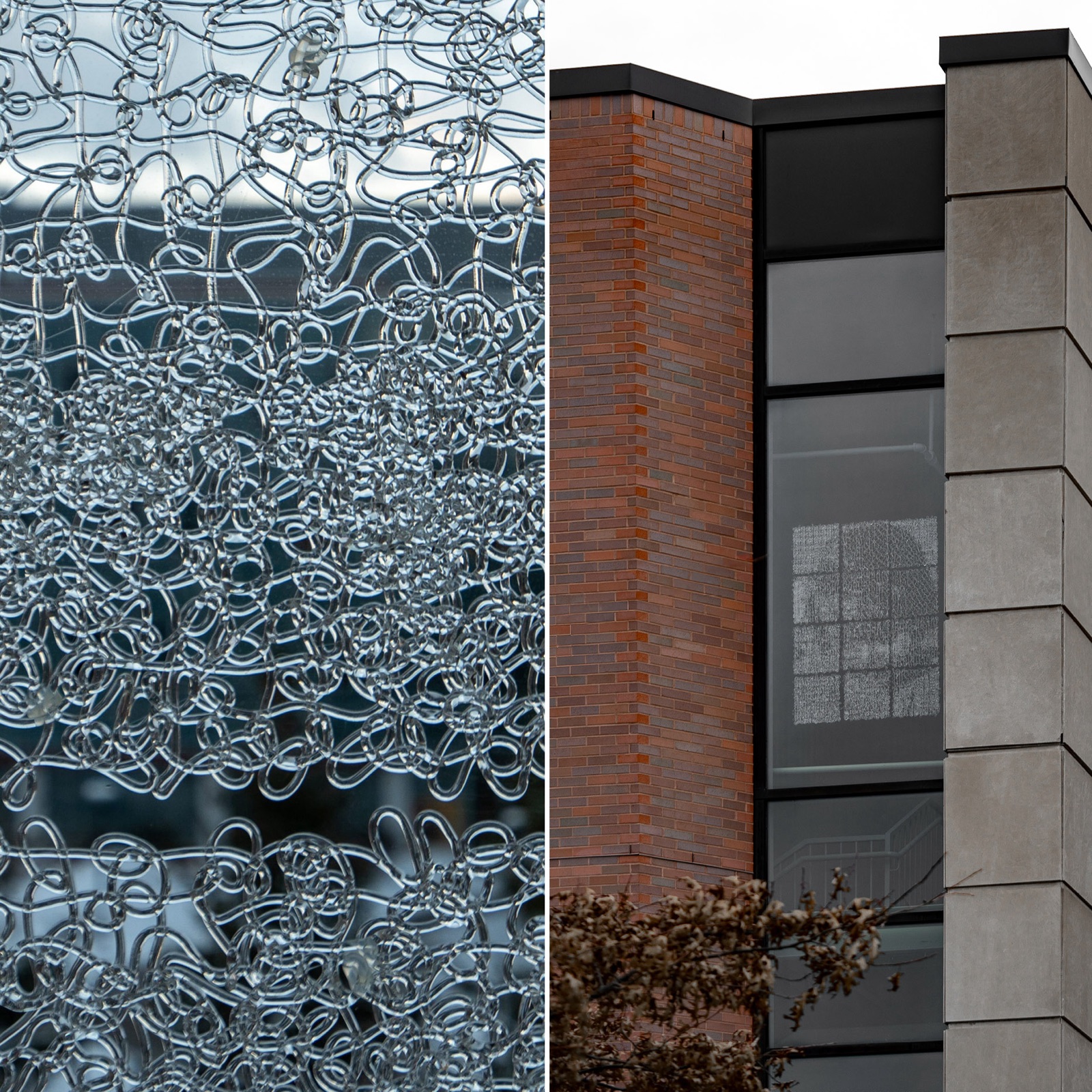
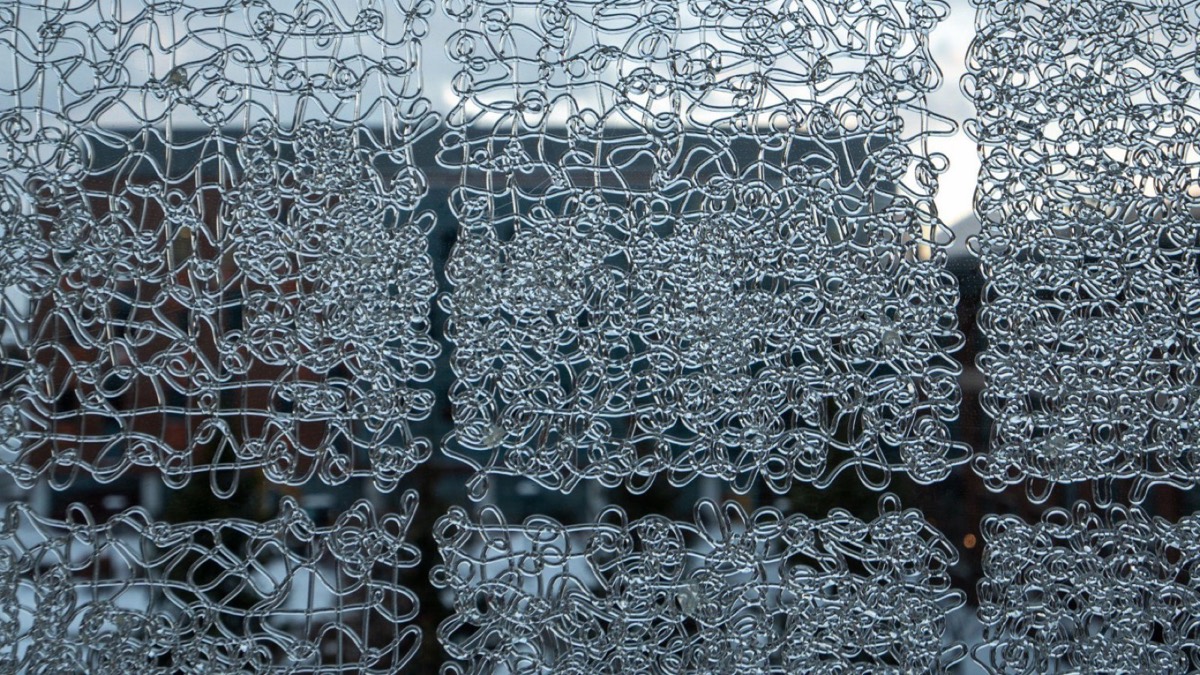
These portraits are monumental in scale and low in resolution. Up close, the surface is coiled glass thread — looping, random but regular. Step back and a face assembles from density alone.
Each portrait is deliberate and materially emergent. I control the composition; the glass controls the details. The image that emerges couldn't have been drawn.
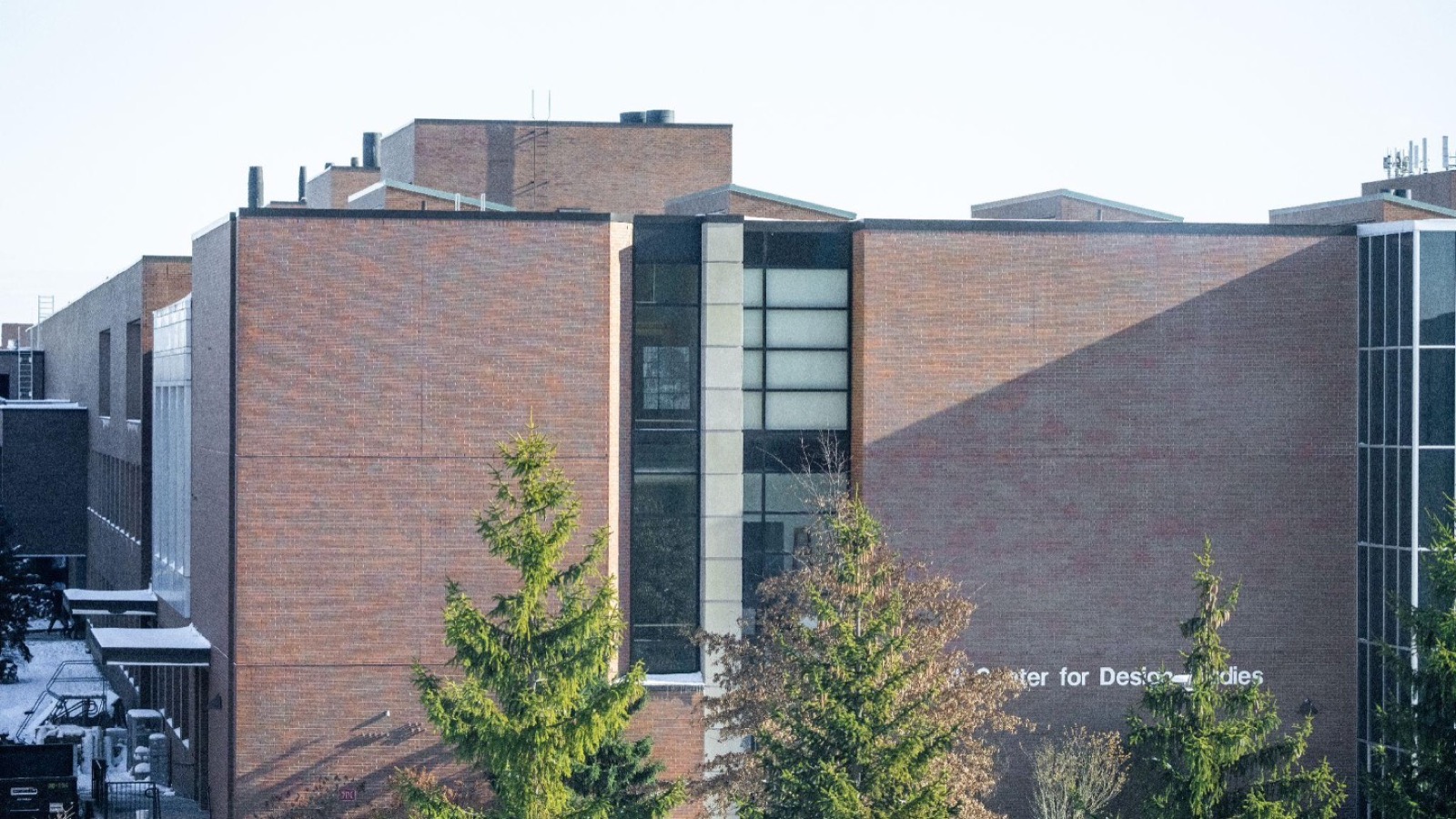
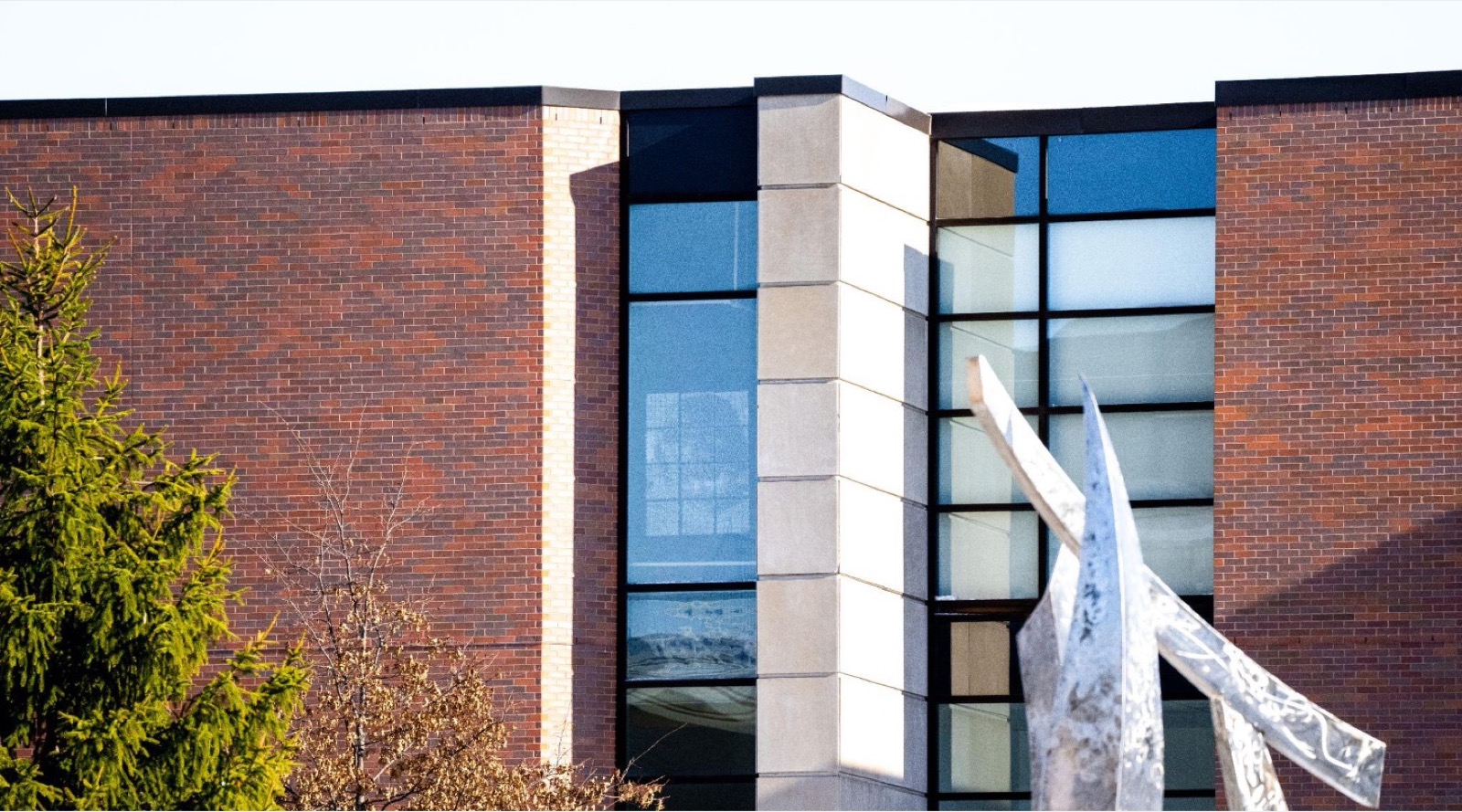
The work adheres directly to glass windows, becoming part of the surface. From outside, you see the portrait. From inside, you see through it.
The process reflects on parenthood: how seemingly random moments accumulate into something unmistakably specific. Step forward in time and a person comes into view.
The portrait is printed as autocoil: a single thread of molten glass falls and loops on itself, random but regular. The program sets the path and the density; the falling glass sets every individual loop. Where the coils become tight the image lightens, where they give space the image darkens. Density becomes pigment.
The printer holds glass at more than 2000°F. It flows out through a ceramic nozzle, one line at a time. I write the path it follows: where to go, how fast, how hot. The nozzle traces that path, leaving a bead of glass behind it, and the object grows layer by layer.
When a print is done, we cut it free from the stream. It comes off the machine close to 900°F and goes into another chamber to cool overnight.
None of this replaces glassblowing. It builds on it. People have been forming glass for thousands of years. This is one more way to do it: material, machine, and the person running both.